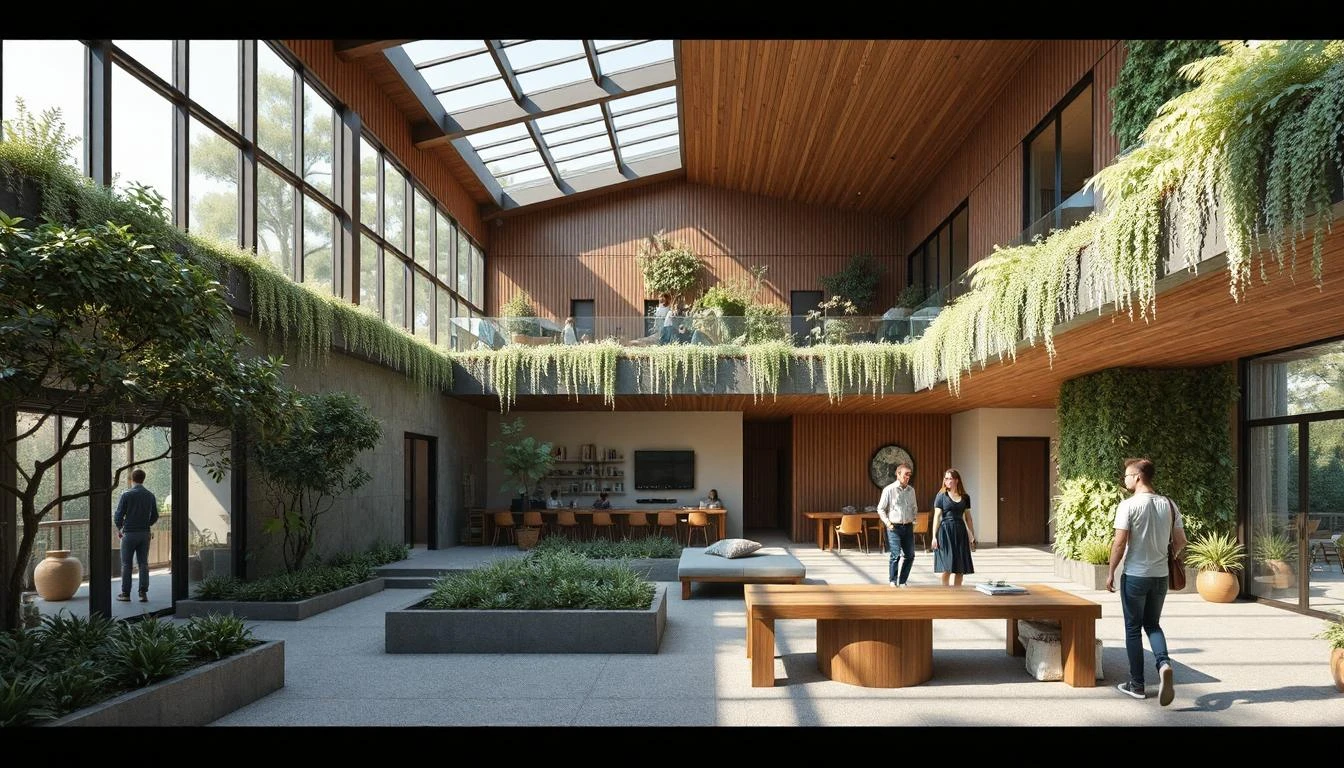
Smart Sustainable Living Trends 2026
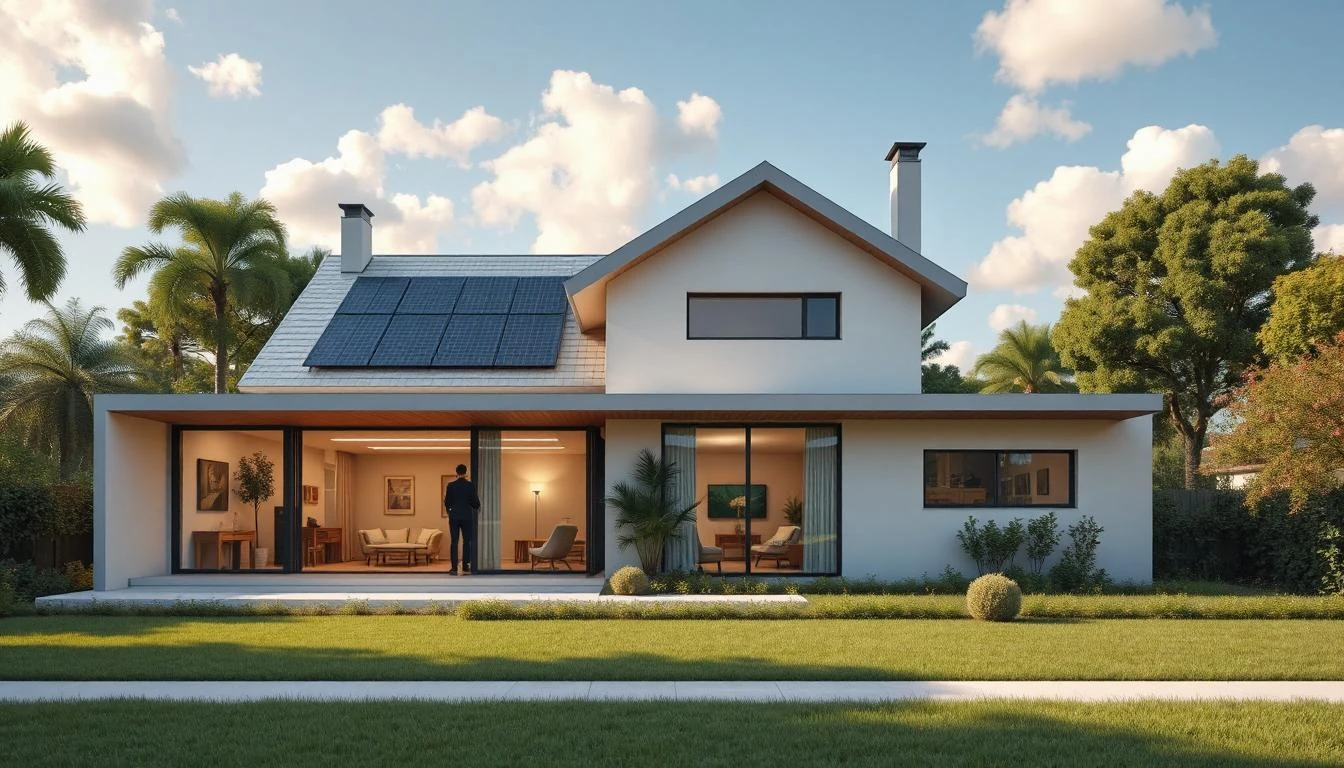
The way people live, consume, and interact with technology is changing faster than ever before. Across the global marketplace, sustainability is no longer viewed as a future ambition but as a present-day necessity. Consumers are becoming more aware of environmental challenges, businesses are investing in greener innovations, and governments are accelerating policies that support long-term ecological resilience. As a result, a new lifestyle model is emerging,one that combines intelligence, efficiency, and environmental responsibility in ways that were unimaginable just a few years ago.
At the center of this transformation is Smart Sustainable Living, a concept that blends advanced technologies with conscious resource management to create a more efficient and environmentally friendly way of life. From AI-powered homes and renewable energy systems to connected urban infrastructure, this movement is reshaping how individuals, businesses, and entire communities approach sustainability while maintaining convenience, comfort, and economic value.
AI Driven Sustainable Living Systems
Technology is becoming the invisible force behind many sustainability breakthroughs. Rather than relying solely on human intervention, intelligent systems can now analyze, predict, and optimize countless daily activities. This shift is helping households and organizations reduce waste while making smarter decisions with resources.
The rise of smart eco living green tech is accelerating this transition by connecting artificial intelligence, automation, and environmental awareness into a single ecosystem. What once required constant monitoring can now be managed automatically, creating a more seamless and sustainable lifestyle.
Smart home energy optimization
One of the most significant developments in sustainable living is the evolution of smart home energy management. AI-driven platforms can learn household behavior patterns and automatically adjust lighting, heating, cooling, and appliance usage to maximize efficiency without sacrificing comfort.
This capability is becoming increasingly important as energy costs fluctuate globally. Intelligent systems can identify unnecessary consumption, recommend improvements, and optimize energy usage during peak and off-peak periods. According to Dr. Fatih Birol, Executive Director of the International Energy Agency, digital technologies and smart energy systems are becoming essential tools for achieving global sustainability goals while improving energy efficiency across residential sectors.
AI based consumption tracking
Understanding consumption habits is often the first step toward meaningful sustainability improvements. AI-powered tracking systems provide detailed insights into how electricity, water, and household resources are being used throughout the day.
Instead of relying on estimates, users gain access to real-time data that highlights inefficiencies and opportunities for improvement. This transparency encourages smarter decision-making and helps families reduce both costs and environmental impact over time.
Predictive resource management
Perhaps one of the most exciting innovations is predictive resource management. Rather than reacting to problems after they occur, AI systems can forecast future resource requirements using historical patterns, weather conditions, occupancy data, and behavioral trends.
This proactive approach minimizes waste while ensuring resources remain available when needed most. As predictive technologies continue to evolve, they are expected to become a standard feature in sustainable homes and commercial properties worldwide.
Energy Efficient Smart Infrastructure
While sustainable living often begins at home, the broader impact becomes visible when entire communities embrace intelligent infrastructure. Cities, utility providers, and businesses are investing heavily in connected systems designed to improve resource efficiency on a much larger scale.
The integration of smart infrastructure is creating opportunities to optimize energy distribution, improve public services, and strengthen resilience against future environmental challenges.
Renewable energy integration
Renewable energy continues to be one of the strongest pillars supporting sustainability initiatives. Solar panels, wind farms, and battery storage technologies are becoming increasingly sophisticated and accessible.
Smart infrastructure allows these renewable sources to work together more effectively. Advanced energy management platforms can balance supply and demand in real time, ensuring that clean energy is utilized as efficiently as possible. This creates a more reliable and sustainable energy ecosystem capable of supporting growing populations.
Smart grid and IoT connectivity
The development of smart grids is transforming how electricity moves through modern communities. Connected sensors and IoT devices continuously exchange information, enabling utilities to make rapid adjustments based on real-world demand.
These intelligent networks reduce transmission losses, improve system reliability, and help prevent outages. More importantly, they provide consumers with greater visibility into their own energy consumption, encouraging more responsible usage habits.
Automated water and electricity control
Resource conservation extends beyond electricity. Water management is becoming equally important as urban populations expand and environmental pressures increase.
Automated monitoring systems can detect leaks, abnormal usage patterns, and inefficiencies long before they become costly problems. By combining real-time monitoring with automated controls, households and municipalities can significantly reduce waste while preserving critical resources for future generations.
Connected Eco Lifestyle Ecosystem
As sustainable technologies continue to evolve, their true potential emerges when they work together as part of a connected ecosystem. Individual innovations become far more effective when they communicate seamlessly and share data across multiple platforms.
This interconnected approach is shaping a future where sustainability is integrated into daily routines rather than treated as a separate responsibility.
Smart appliances for sustainability
Modern appliances are becoming increasingly intelligent. Refrigerators can optimize cooling cycles, washing machines can adjust water usage automatically, and climate control systems can respond dynamically to environmental conditions.
These innovations help reduce resource consumption while maintaining high levels of convenience. For consumers, sustainable living becomes easier because efficiency is built directly into everyday products.
Digital carbon footprint monitoring
Many people want to live more sustainably but struggle to understand the actual impact of their choices. Digital carbon footprint monitoring tools are helping solve this challenge.
These platforms track transportation habits, energy consumption, purchasing decisions, and lifestyle behaviors to provide a clearer picture of environmental impact. Armed with this information, users can make more informed choices that contribute to long-term sustainability goals.
Sustainable smart city development
The concept of smart cities is rapidly evolving beyond convenience and connectivity. Today, sustainability has become one of the primary objectives driving urban innovation.
Cities are deploying intelligent transportation systems, connected public services, renewable energy networks, and data-driven planning strategies to improve quality of life while reducing environmental impact. As Professor Jeffrey Sachs, a leading sustainable development expert, has noted, the future of economic prosperity depends on building cities that balance technological advancement with environmental stewardship.
Upgrade Your Life with Smart Sustainable Living
The future of sustainable living is no longer a distant vision. It is already unfolding across homes, businesses, and cities around the world. Every advancement in artificial intelligence, renewable energy, and connected infrastructure brings society closer to a model where efficiency and sustainability work hand in hand rather than competing with one another.
As consumers become more conscious of their environmental footprint and organizations continue investing in innovation, the opportunities created by Smart Sustainable Living will only expand. The question is no longer whether these technologies will become part of everyday life, but how quickly they will redefine modern living. For anyone looking to embrace a smarter, greener future, now is the perfect time to start exploring the possibilities and become part of this transformation.