Eco Friendly Green Design Trends 2026
The future of design is no longer defined solely by aesthetics. Around the world, architects, developers, brands, and homeowners are rethinking how spaces are created, maintained, and experienced. Sustainability has moved from being an optional feature to becoming a major factor in decision-making, influencing everything from material selection to long-term building performance. As environmental concerns continue to grow, design trends are evolving toward solutions that combine beauty, functionality, and responsibility.
In 2026, Eco Friendly Green Design is shaping the next generation of homes, workplaces, retail environments, and urban developments. This transformation is driven by increasing demand for healthier spaces, lower environmental impact, and smarter resource management. People are not simply searching for attractive interiors anymore; they are looking for design strategies that improve quality of life while supporting a more sustainable future.
Biophilic and Nature Integrated Design
As modern cities become denser and daily life becomes increasingly digital, people naturally seek stronger connections with nature. This growing desire has made biophilic design one of the most influential movements in sustainable architecture and interior design. By bringing natural elements into built environments, designers create spaces that feel healthier, calmer, and more engaging.
The demand for innovative green design materials continues to grow as designers look for sustainable ways to integrate nature into both residential and commercial spaces. These materials not only reduce environmental impact but also enhance the visual and sensory experience of a space.
Indoor Green Spaces and Living Walls
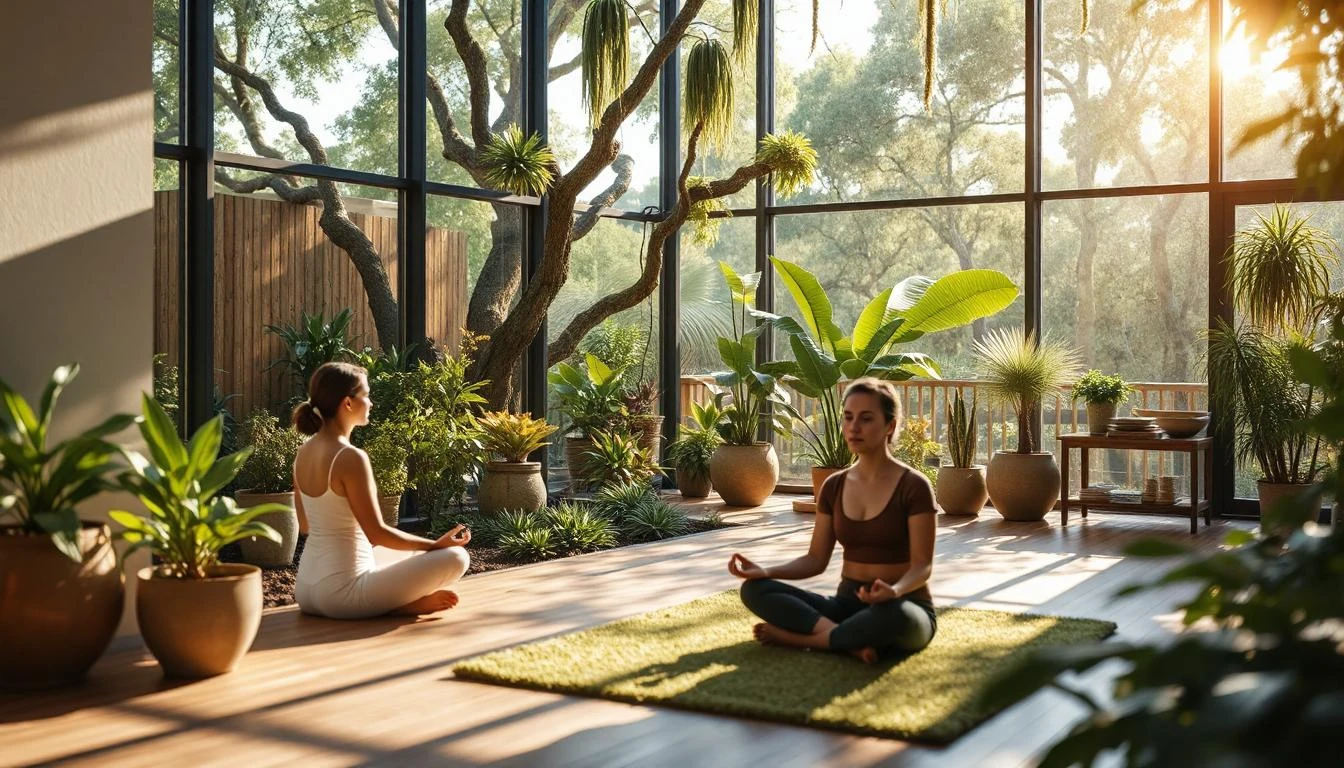
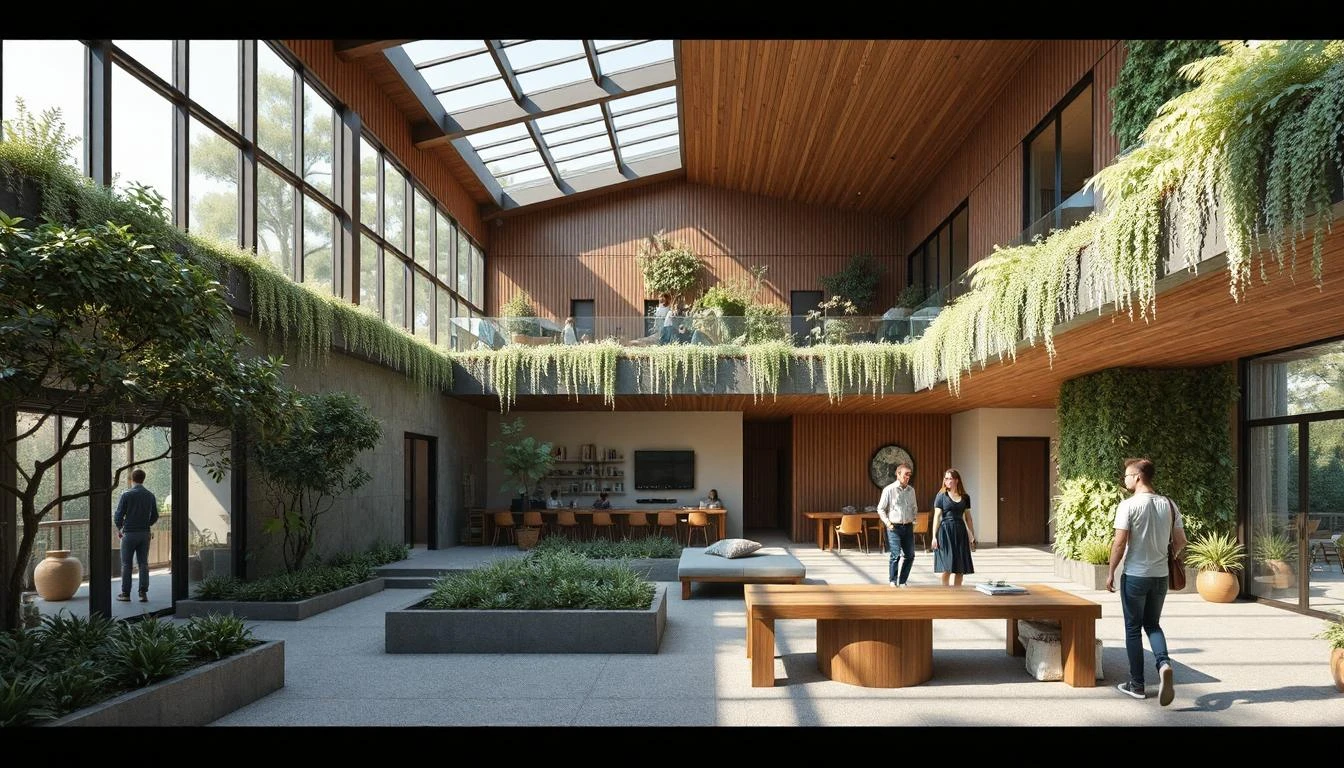
Indoor green spaces and living walls are becoming signature features of contemporary sustainable design. Vertical gardens, indoor forests, and integrated plant systems transform ordinary interiors into vibrant ecosystems that improve air quality while creating a stronger emotional connection to nature.
These installations offer benefits beyond aesthetics. Research has shown that exposure to greenery can help reduce stress, improve concentration, and create more comfortable indoor environments. Whether used in offices, hotels, or private residences, living walls represent a practical and visually striking approach to sustainability.
Natural Lighting Optimization
Natural light remains one of the most valuable resources in sustainable design. Maximizing daylight reduces dependence on artificial lighting, lowers energy consumption, and creates healthier indoor environments for occupants.
Large windows, skylights, light shelves, and smart glass technologies are increasingly being incorporated into modern buildings. These features allow natural illumination to reach deeper into interior spaces while helping regulate indoor temperatures throughout the year.
Architect and sustainability advocate William McDonough famously stated that good design should aim to create positive environmental effects rather than simply reduce negative ones. Natural lighting strategies embody this philosophy by delivering environmental and human benefits simultaneously.
Organic Material Usage in Interiors
The shift toward organic materials continues to influence interior design trends throughout 2026. Materials such as bamboo, cork, reclaimed timber, hemp textiles, and natural stone are increasingly preferred because they combine durability with environmental responsibility.
These materials introduce texture, warmth, and authenticity while reducing dependence on resource-intensive manufacturing processes. Their growing popularity reflects a broader consumer preference for spaces that feel natural, timeless, and genuinely connected to the environment.
Sustainable Architecture and Materials
Sustainable architecture is rapidly becoming the standard rather than the exception. Developers and designers are embracing innovative construction methods that minimize environmental impact while delivering long-term economic and social value. This evolution is reshaping how buildings are planned, constructed, and operated.
Modern projects increasingly rely on green design materials that support circular economy principles, reduce waste, and improve overall building performance. The result is a new generation of structures designed for both environmental resilience and market competitiveness.
Recycled and Upcycled Building Materials
Recycled and upcycled materials are playing a crucial role in reducing the environmental footprint of construction projects. Reclaimed wood, recycled steel, repurposed concrete, and recovered plastics are finding new life in contemporary architecture.
By extending the lifecycle of existing resources, these materials help reduce landfill waste and decrease demand for virgin raw materials. They also provide unique visual characteristics that contribute to distinctive and memorable design outcomes.
Energy Efficient Construction Methods
Energy efficiency remains at the center of sustainable building innovation. High-performance insulation, airtight construction techniques, renewable energy integration, and smart energy management systems are becoming increasingly common across new developments.
These strategies help lower operating costs while supporting global efforts to reduce greenhouse gas emissions. For property owners, the combination of sustainability and long-term financial savings creates a compelling value proposition.
Low Impact Urban Design Principles
Urban planners are increasingly adopting low-impact design principles that prioritize environmental stewardship and community well-being. Green roofs, permeable pavements, rainwater harvesting systems, and mixed-use developments are helping cities become more resilient and sustainable.
These approaches improve water management, reduce urban heat island effects, and create more livable communities. As populations continue to grow, low-impact urban design will play an essential role in shaping sustainable cities of the future.
Minimalist and Circular Design Approach
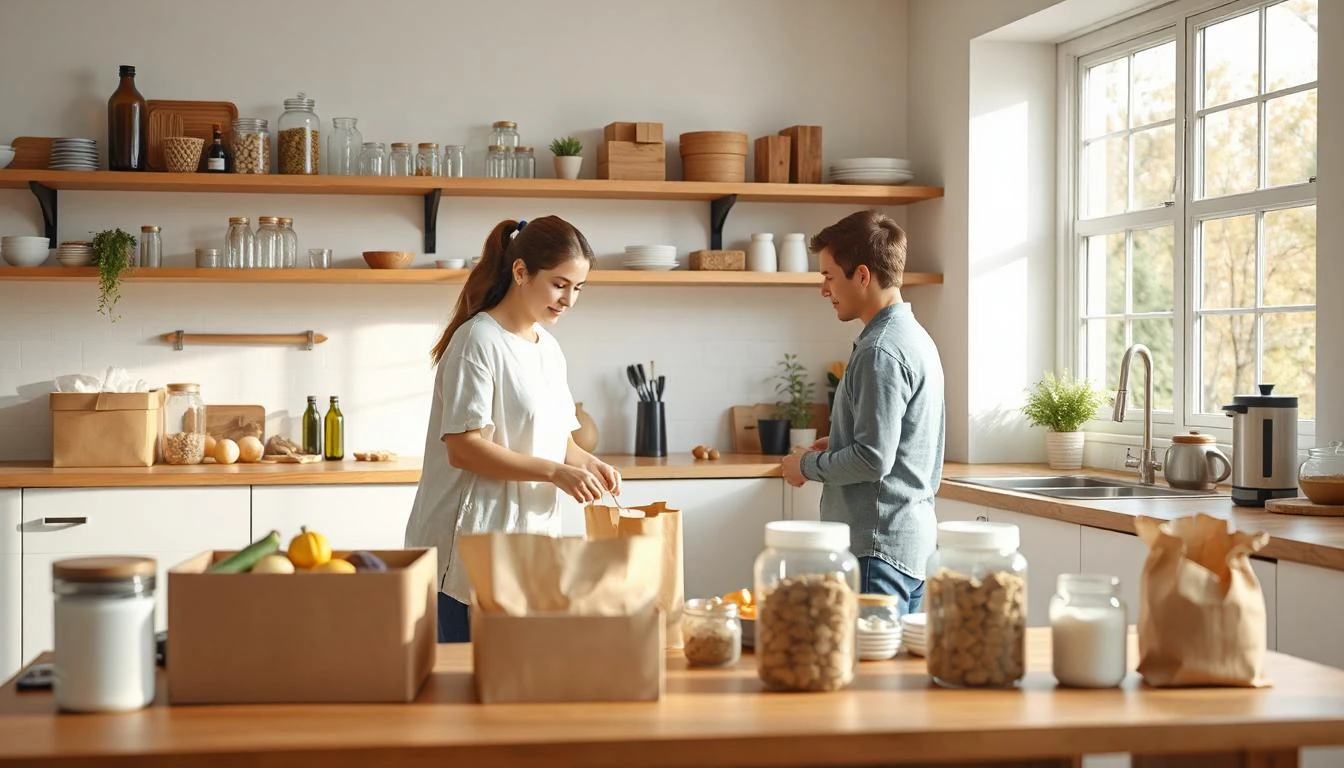
The minimalist movement is evolving beyond aesthetics into a broader philosophy centered on efficiency, longevity, and responsible resource use. Circular design principles encourage products, materials, and buildings to remain valuable for as long as possible, reducing waste and maximizing utility.
As sustainability becomes increasingly important, green design materials are being selected not only for their environmental credentials but also for their ability to support reuse, adaptability, and long-term performance.
Waste Reduction in Design Process
Waste reduction begins during the planning phase. Designers are using advanced digital modeling tools and precise material forecasting to minimize excess consumption and construction waste before projects even begin.
This proactive approach creates environmental benefits while improving project efficiency and cost management. Small reductions during planning often translate into significant sustainability gains throughout a project's lifecycle.
Modular and Reusable Structures
Modular construction is gaining popularity because of its flexibility and resource efficiency. Buildings and components can be assembled, modified, relocated, and reused with minimal waste generation.
This adaptability makes modular solutions particularly attractive for rapidly changing commercial, residential, and urban environments. The ability to evolve alongside future needs represents a significant advantage in sustainable design.
Long Lasting Product Lifecycle Design
Designing for longevity is becoming a defining characteristic of responsible product development. Durable materials, repairable components, and timeless aesthetics help extend product lifecycles while reducing replacement frequency.
Environmental thinker Janine Benyus has often emphasized that nature operates without creating waste because every output becomes a resource for something else. This principle increasingly influences product designers seeking to create more sustainable and regenerative systems.
Build a Greener Future with Eco Design
The trends shaping 2026 reveal a clear direction for the future of design. Sustainability is no longer an isolated consideration; it has become a central factor influencing architecture, interiors, urban planning, and consumer expectations. The most successful projects are those that balance environmental responsibility with practical functionality and meaningful user experiences.
As more organizations and individuals adopt sustainable practices, the benefits extend beyond reduced environmental impact. Healthier living spaces, improved energy efficiency, stronger long-term value, and greater resilience are becoming key outcomes of thoughtful design decisions. The future belongs to spaces that work in harmony with both people and the planet.
If there is one takeaway from these emerging trends, it is that every design choice matters. Whether selecting materials, planning a renovation, or developing a large-scale project, sustainable thinking can create lasting positive impact. The next generation of design is already here, and now is the perfect time to be part of it.
Explore sustainable possibilities and start building a greener future today.